
Residential Door
A residential door is one of the most important structural elements that connects a building with the outside world and directly affects security, thermal insulation, and sound insulation. A properly selected home door provides high-level protection against burglary, contributes to energy efficiency, and completes the exterior aesthetics of the house. Today, residential doors are manufactured from various materials such as steel, wood, and composite, and are equipped with next-generation locking systems and smart security technologies to provide both comfort and maximum security.
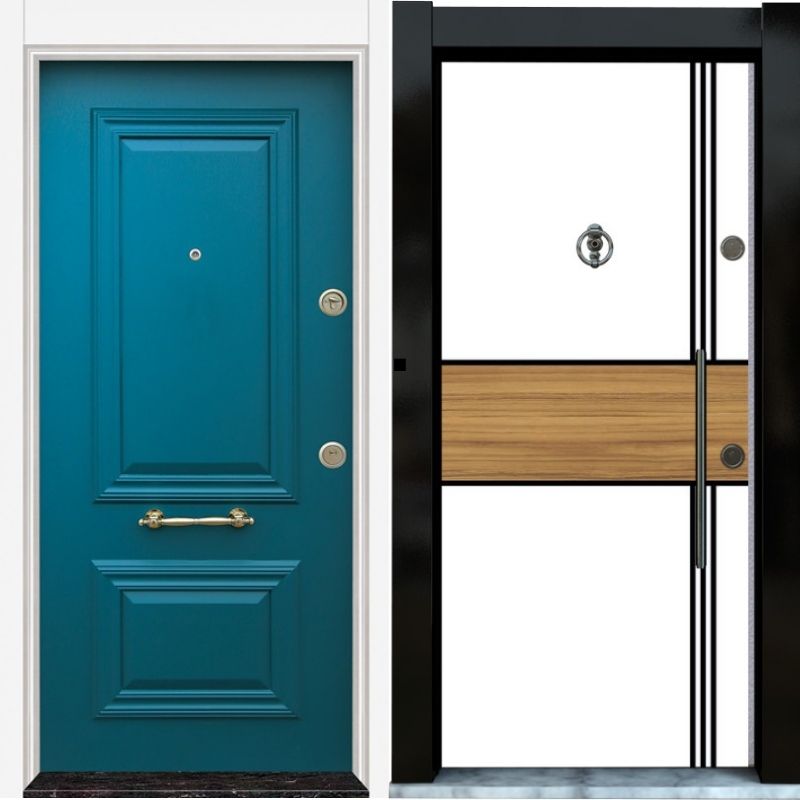
Residential Door Models
Residential door models are one of the strongest architectural elements that reflect the character of a building from the outside. In modern housing projects, the door is not only a functional component but also a design element that complements the style of the home. Therefore, when choosing residential door models, the building's exterior facade, interior decoration style, and user expectations should be evaluated together.
Today, residential door models vary in both aesthetic and technical features. Especially with the integration of security technologies into door systems, the differences between models are no longer limited to appearance alone.
For secure, durable, and aesthetic residential doors, contact our expert team now via contact.
Modern and Minimalist Models
Modern and minimalist residential door models stand out with their clean lines and clear geometric forms. The aim of these doors is to create a design that is visually simple yet strong in presence. These models usually feature single colors such as anthracite, black, dark gray, and matte white, with matte and textured coatings preferred instead of glossy surfaces.
In these designs, the door handle is often hidden or recessed. Decorative elements on the door surface are kept to a minimum; wood-pattern composite coatings, metallic surfaces, or natural stone textured panels are commonly used. Modern residential doors are especially ideal for new-generation apartments, residences, and villas with contemporary architecture.
Classic and Avant-garde Models
Classic and avant-garde residential door models are designed for users looking for timeless elegance and grandeur. These models feature embossed panels, symmetrical patterns, and striking decorative details. Gold, bronze, or gilded accessories are combined with heavy cast door handles and knockers.
Especially in large villas, historical buildings, and high-ceiling residences, classic residential doors achieve a strong harmony with architecture. In these models, craftsmanship and custom production details are emphasized. The goal is not only security but also prestige.
Glass Integrated Models
Glass integrated residential door models are particularly preferred for entrance halls where natural light is limited. The glass used in these doors is not standard glass. Tempered, laminated, or shatter-resistant security glass is used, along with special treatments that prevent the interior from being visible from the outside.
Options such as mirrored glass, frosted glass, or patterned glass help maintain privacy while creating an aesthetic appearance. Glass details are usually combined with steel or wooden door bodies. When properly designed, glass integrated residential doors add brightness and modernity to the space.
Types of Residential Doors
The material used when selecting a residential door directly affects durability, lifespan, and maintenance requirements. Each door type offers advantages for different lifestyles and usage areas. Therefore, when deciding among residential door types, the location where the door will be used should always be considered.
Steel Doors
Steel doors are one of the most common and secure solutions for home entrances. Thanks to their multi-layer sheet structure, internal frame system, and central locking mechanism, they provide high resistance against burglary. A quality steel door maintains its durability for many years against impacts, forced entry attempts, and external factors.
Modern steel doors are now highly developed not only in terms of security but also aesthetics. Wood-pattern coatings, matte color options, and minimalist designs allow them to perfectly match interior and exterior decoration.
Solid Wood Doors
Solid wood residential doors are the first choice for users who want to create a natural and warm atmosphere. Natural wood performs well in thermal insulation and gives the space a prestigious appearance. However, wooden doors require regular maintenance because they can be affected by outdoor weather conditions.
Especially in areas exposed to rain, sunlight, and humidity, the protective varnish and paint of wooden doors should be renewed periodically. Therefore, wooden doors are more suitable for controlled outdoor environments.
Lacquered Doors
Lacquered doors are generally preferred for interior spaces. Thanks to special painting techniques applied to MDF surfaces, a smooth and glossy finish is achieved. Offering a modern and luxurious look, lacquered doors provide a wide range of color options.
Although they are mostly used as interior room doors rather than entrance doors, they are an important element that complements interior design in projects with high aesthetic expectations.
Composite Doors
Composite residential doors have become increasingly popular in villa and detached house entrances in recent years. Produced from a combination of wood flour and polymer materials, these doors are highly resistant to water, humidity, sunlight, and temperature changes.
They do not swell, crack, or fade in color. Thanks to these features, they offer a long-lasting solution that requires minimal maintenance. They are one of the most ideal options for entrances directly exposed to outdoor climate conditions.
PVC and Panel Doors
PVC and panel doors are suitable for users looking for more economical solutions. Their lightweight structure makes installation easy and provides practical use in interior spaces. However, they cannot compete with steel or composite doors in terms of durability and security, so they are mostly preferred indoors.