
How to Clean White Doors: The Ultimate Guide for a Spotless Home
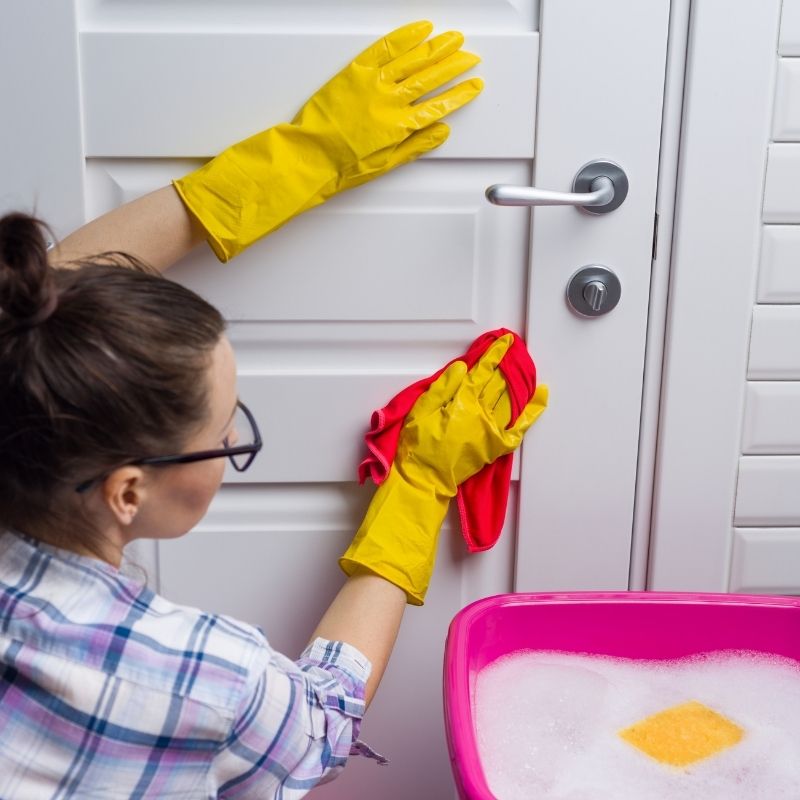
White doors should be cleaned using mild cleaners such as warm water, a small amount of dish soap, castile soap (liquid soap), or white soap. A microfiber or soft cloth should be preferred to avoid damaging the door surface. Harsh chemical products, abrasive cleaners, and scouring sponges are not recommended as they can cause yellowing and scratches on white doors. Regular cleaning with the right products ensures that white doors maintain a clean and bright appearance.
What Should You Use to Clean White Doors?
White doors are among the primary architectural elements that directly affect the overall cleanliness and sense of order in a home. Especially entry doors, living room, and kitchen doors get dirty quickly due to constant hand contact throughout the day. Due to the nature of the color white, even the smallest stain, mark, or yellowing is immediately noticeable, which can make the doors look poorly maintained.
The key to cleaning white doors is not just removing the dirt, but doing so without damaging the surface. Using the wrong cleaning products can fade the paint, cause a loss of shine, and lead to irreversible surface degradation over time. Therefore, choosing suitable cleaning materials and correct application methods is of great importance for white doors.
Beyond cleaning, the surface quality of white doors is also vital; doors with the right coating and paint structure are easier to wipe down and resist stains. You can explore White Steel Door models with these features to ensure both a hygienic and long-lasting experience.
Most Effective Methods for Cleaning White Doors
The most effective method for cleaning white doors is regular and controlled maintenance using products suitable for the door's material. Whether it is lacquer, MDF, PVC coating, or an American panel door, abrasive products must be avoided. When doors are cleaned frequently with gentle methods, there is no need for heavy chemicals.
One of the most effective techniques is using a microfiber cloth slightly dampened with warm water. This method is sufficient for removing daily dust, fingerprints, and light grime. It is crucial not to over-wet the door, as excessive water—especially in MDF and American doors—can lead to issues like swelling and warping.
- The door surface should be wiped from top to bottom
- Always dry with a clean cloth after cleaning
- Regular cleaning prevents yellowing and permanent stains
What Should You Consider When Wiping White Doors?
Mistakes made while wiping white doors can cause more harm than good. Scouring sponges, wire cloths, and cleaning products containing intense chemicals cause scratches on the door surface. These scratches trap more dirt over time, making the door look dull and dirty.
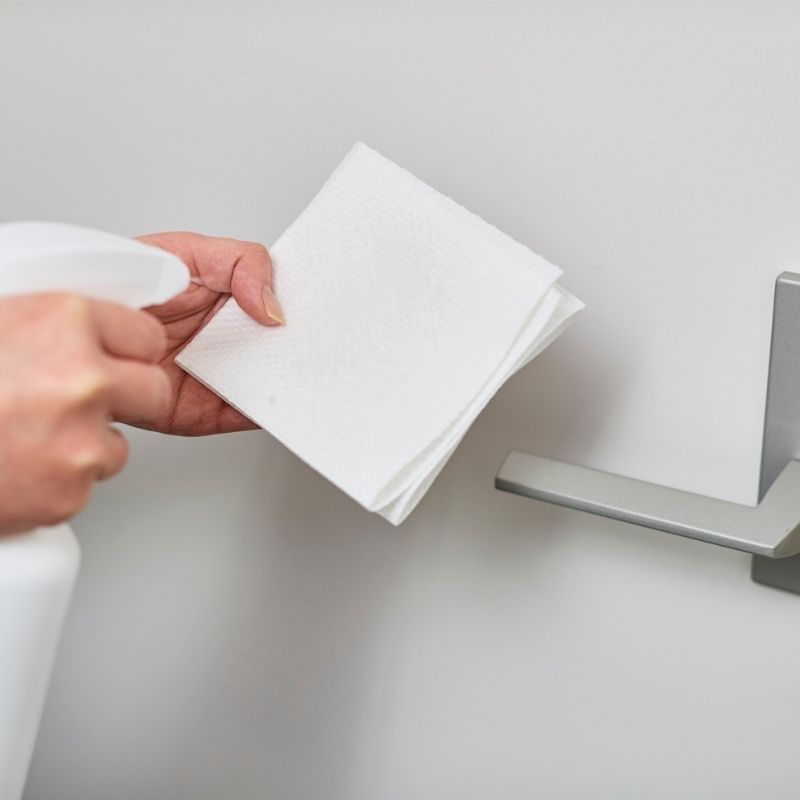
Cleaning products should never be sprayed directly onto the door. The product should first be applied to the cloth, then the door surface should be wiped gently without applying excessive pressure. Harsh scrubbing movements can leave permanent marks, especially on high-gloss lacquered doors.
- Avoid scrubbing with heavy pressure
- Chemical products should be diluted before use
- Door edges and frames should not be neglected
How to Clean Yellowed White Doors?
Yellowing is one of the most common problems encountered with white doors. Sunlight, cigarette smoke, kitchen steam, and incorrect cleaning products can cause a yellowish layer to form on the door surface over time. This makes the door look old and dirty.
When cleaning yellowed white doors, aggressive products like bleach may seem to whiten in the short term, but in the long run, they cause irregular discoloration and surface damage. More controlled and natural methods, such as castile soap and baking soda, should be preferred.
- Regular cleaning with castile soap
- Gentle wiping with a baking soda and water solution
- Mandatory rinsing and drying after cleaning
The ability of white doors to stay clean and well-maintained is directly related to the material and surface coating used; smooth surfaces trap less dirt and grime. You can choose more practical solutions in terms of cleaning by reviewing White Steel Door options that offer this advantage.
How to Remove Tough Stains from White Doors?
Oil stains, pen marks, shoe scuff marks, and paint residues left by children are among the tough stains on white doors. If these stains are not cleaned for a long time, they penetrate the surface and become difficult to remove.
The key to tough stains is choosing the right product and avoiding harsh scrubbing. Castile soap can be effective for oil stains, while mild baking soda mixtures can work for pen marks. Using a soft cloth during cleaning protects the door surface.
- The cleaning product should be selected according to the type of stain
- Scouring sponges should not be used
- The surface must be wiped down after cleaning
Which Cleaning Materials Are Used for White Doors?
Cleaning materials used for white doors should be products that do not damage the surface or leave residue. For daily and weekly cleaning, natural-based products are often sufficient.
Cleaning products with heavy chemical content can cause color changes and dullness on the door surface. Therefore, milder and more controlled cleaning materials should be preferred.
- Warm water
- Castile soap (Natural liquid soap)
- Baking soda
- A small amount of dish soap
Can White Doors Be Cleaned with Soapy Water?
White doors can be safely cleaned with soapy water. Especially for light dirt and daily cleaning, soapy water is one of the most practical and harmless methods.
Care should be taken that the soap is not too concentrated, and the surface should be rinsed and thoroughly dried after cleaning.
Can White Doors Be Cleaned with Castile Soap?
Castile soap (Arap sabunu) is one of the safest cleaning products for white doors. Thanks to its grease-cutting properties, it yields effective results, particularly on kitchen doors.
Cleaning with a small amount of castile soap added to warm water cleans the door surface without abrading it.
Can White Doors Be Cleaned with Baking Soda?
Baking soda is an effective product for yellowing and stubborn stains. However, it should be used carefully due to its mild abrasive properties.
Baking soda should be made into a paste with water, applied with a soft cloth, and then followed by a thorough rinse.
Can White Doors Be Cleaned with Detergent?
Dish soap is suitable for white doors when used in small amounts. It is effective in removing grime such as grease and fingerprints.
Detergents containing heavy chemicals should be avoided, and no detergent residue should be left on the surface.
Can White Doors Be Cleaned with Bleach?
Bleach is not recommended for white doors. While it may appear to whiten in the short term, it leads to yellowing and surface degradation in the long run.
For this reason, bleach should not be used for cleaning white doors.
How to Remove Fingerprints and Hand Smudges?
Fingerprints and hand smudges are among the most frequent issues on white doors. Especially in homes with children, door surfaces get dirty faster.
Regularly wiping with a damp microfiber cloth and mild cleaning products prevents these stains from becoming permanent and ensures the door always looks clean.
What Kind of Cloth Should Be Chosen for Door Cleaning?
Cloth selection is critically important for cleaning white doors. Using the wrong cloth can cause scratches and dullness on the door surface.
Microfiber and soft cotton cloths protect the door surface while providing effective cleaning.
- Mikrofiber bez (Microfiber cloth)
- Soft cotton cloth
- Lint-free cleaning cloths
Common Mistakes When Cleaning White Doors
Mistakes made during the cleaning of white doors often shorten the door's lifespan. Specifically, wrong cleaning products and harsh applications cause surface damage.
When these mistakes are avoided, white doors will maintain their clean, bright, and aesthetic appearance for many years.
- Using bleach
- Scrubbing with a scouring sponge
- Over-wetting the door
- Failing to rinse and dry