
What Is Wood Veneer?
Wood veneer and wood effect finishes give surfaces the appearance of wood or add decorative detail. Some finishes use thin sheets of real wood, while others reproduce its appearance with different materials. The material affects the finish, texture, durability and maintenance needs.
Furniture, interiors, wall panels, cabinets and doors are common applications. Door designs can combine the warmth of wood with modern production methods. Decorative panels on steel door models can also be made in different wood finishes.
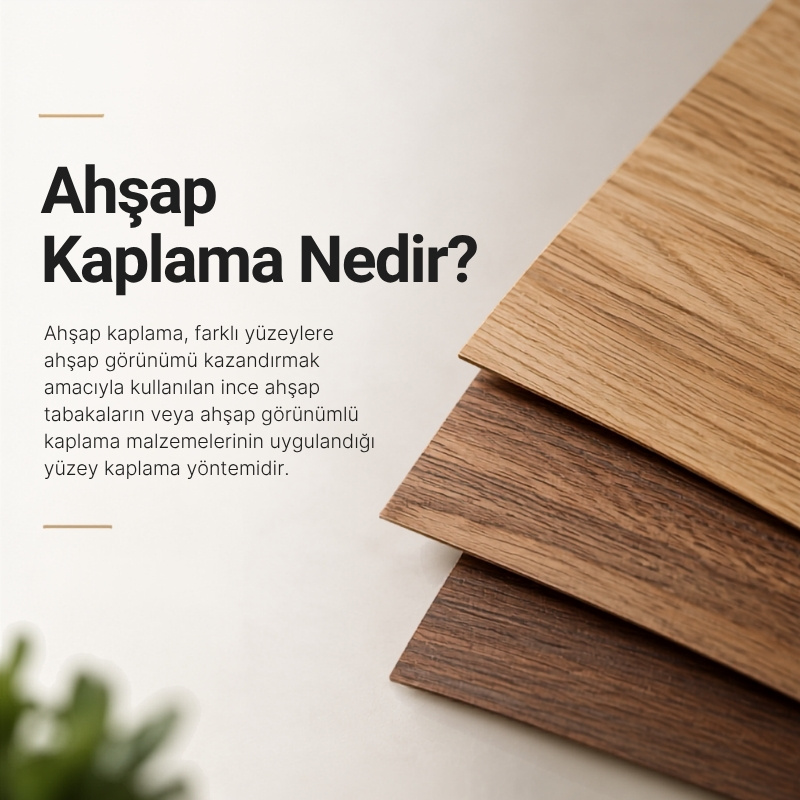
General Characteristics of Wood Finishes
The grain, colour variations and texture of wood can suit classical, modern, rustic and natural interiors. Depending on the finish, colours and patterns can range from light oak to dark walnut.
Thin veneer can cover a large surface with less natural wood than solid timber construction. It works well when the appearance of wood matters and the entire product does not need to be made from solid wood.
- Gives surfaces a natural, decorative appearance.
- Offers different colours, grains and wood patterns.
- Can be applied to furniture, door panels and other surfaces.
- Suits modern and traditional designs.
- Can be finished with paint, varnish or other protective treatments.
- Surface properties vary with the wood species and application method.
Performance also depends on the substrate, adhesive, surface treatment, edge details and protective layers. Durability varies from one finish to another.
Where Are Wood Finishes Used?
They are used on tables, cabinets, sideboards, TV units and other furniture panels, as well as wall panels, interior doors and decorative partitions.
Wood effect surfaces can suit residential and villa entrances and other projects where decorative details matter.
- Furniture surfaces
- Cabinet and wardrobe doors
- Wall panels
- Interior doors
- Decorative panels for steel doors
- Villa entrance doors
- Office and commercial interiors
- Tables, coffee tables and decorative furniture
Choose a finish suited to the location. Indoor and exposed outdoor surfaces face different conditions. Consider moisture, sunlight, temperature changes and physical contact.
Wood Finishes on Steel Doors
Veneer and wood effect panels complement the metal construction of steel doors. The steel body and supporting structure form the door assembly, while interior and exterior panels contribute to its appearance.
A wood finish combines the strength of the metal structure with the warmth of wood, allowing the door to suit different architectural styles.
Walnut and oak tones can be combined with clean lines, geometric patterns, metal details and accessories for doors ranging from apartment entrances to villa entrances.
The finish is primarily decorative. Security depends on the steel body, frame, lock, hinges, reinforcements and installation.
Browse Brango’s steel doors for designs and finishes that suit the building. For large orders or project requirements, see wholesale steel doors.
What Types of Wood Finishes Are Available?
Wood finishes include natural veneer, wood based panels and synthetic surfaces that reproduce wood grain. Each has different properties and production methods.
Natural veneer uses thin layers of real wood. Small variations in the grain and colour are part of its character.
PVC, laminate and melamine are options where a wood appearance is desired without real wood on the surface. They can reproduce wood patterns, but their material composition differs from natural veneer.
| Finish | General characteristics | Surface appearance |
|---|---|---|
| Natural wood veneer | Thin layers of real wood are applied to the surface. | Natural variations in grain and colour. |
| Wood effect PVC | A decorative surface made from PVC. | Available in different wood colours and patterns. |
| Laminate | Made of decorative and durable surface layers. | Available in many designs, including wood patterns. |
| Melamine finish | Used to finish boards made from wood based materials. | Available in different colours and wood patterns. |
Check the actual surface material when selecting a product, since a wood effect can be achieved with several materials.
How Does Wood Veneer Differ from Other Surface Finishes?
The main differences are material, texture, appearance, maintenance and production method. Natural veneer has real wood grain and texture. With PVC, laminate or melamine, printing and manufacturing techniques can reproduce that appearance.
Natural veneer varies slightly in grain and colour from piece to piece. Synthetic finishes can reproduce a pattern more consistently, which can matter when the same design is used across many products.
| Feature | Natural wood veneer | PVC, laminate and melamine surfaces |
|---|---|---|
| Material | A layer of real wood | A synthetic or resin based decorative surface |
| Pattern | Natural and unique to each piece | Pattern set during manufacture |
| Colour consistency | Natural variations may occur | Can be produced with more consistent colours |
| Maintenance | Depends on the protective finish | Varies with the type of finish |
| Design options | Determined by wood species and natural tones | A wide range of colours and patterns may be available |
Suitability depends on intended use, design requirements and exposure. Natural veneer can provide an authentic wood appearance, while alternative finishes can offer consistent colours and patterns.
For steel doors, consider the location, outdoor exposure, design and maintenance when selecting a decorative finish.