
Laminate Door
A laminate door is an interior door made with a wooden or MDF core and covered with a laminate coating on the surface. This coating makes the door more resistant to scratches and everyday use. Its low-maintenance structure, affordable price, and variety of colors and patterns make it a popular choice for both homes and commercial spaces.
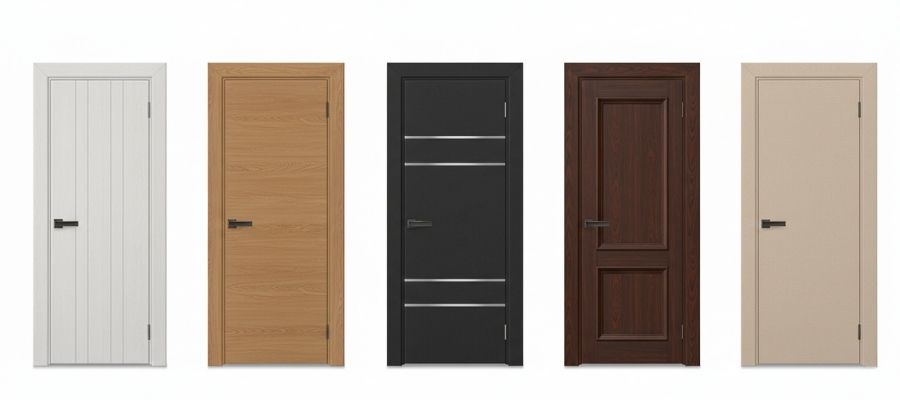
If you want to explore our steel door models, feel free to check our products.
Features of Laminate Doors
Laminate doors are interior doors with a core made of MDF or particleboard and a surface coated with melamine resin. The laminate is applied under high pressure, creating a hard and durable layer on the door surface. This makes laminate doors resistant to scratches, impacts, and friction from daily use.
The smooth and uniform surface of laminate doors reduces the accumulation of dirt, dust, and stains. Since the color and pattern are applied during production, no additional painting is required. With numerous options such as wood grain, solid colors, or modern textures, laminate doors easily complement different interior styles.
- MDF or particleboard core with laminate surface
- Scratch and wear-resistant surface
- Resistant to moisture and temperature changes
- Smooth, easy-to-clean surface
- Wide variety of colors and patterns
- Durable structure that maintains its shape over time
Advantages of Laminate Doors
Laminate doors are widely chosen for both residential and commercial spaces due to their combination of affordability, durability, aesthetic appeal, and ease of use. The laminate surface protects the door from external factors and provides long-lasting usage benefits.
In areas with heavy usage, it is crucial that the door surface does not wear quickly. Laminate doors resist scratches and impacts, keeping their form intact during daily use. This is a major advantage for homes, offices, and commercial areas.
From a design perspective, laminate doors offer a wide range of colors and patterns. From wood-look styles to plain or modern designs, there are many options that easily fit different interior decor, maintaining harmony in the space.
- Budget-friendly due to its affordable price
- Resistant to scratches, impacts, and daily wear
- Maintains its shape in humid environments without warping
- Easy to clean, no painting or special maintenance required
- No color fading, peeling paint, or surface cracking
- Lightweight, so it does not overload hinges or frames
- Available in wood grain and modern design options
- Suitable for residential, office, and commercial use
Where Are Laminate Doors Used?
Laminate doors are preferred in many interior areas due to their durable surface and affordability. Their suitability for daily use allows them to be installed in both homes and commercial spaces. Resistance to moisture and temperature changes makes laminate doors adaptable to various environments.
Especially in frequently opened doors, the surface remains durable, offering long-term advantages. Therefore, laminate doors are ideal not only for homes but also for high-traffic areas.
- Interior room doors in houses and apartments
- Office and workplace interiors
- Residential complexes and housing projects
- Hotels, dormitories, and guesthouses
- Clinics, medical offices, and educational spaces
Materials Used in Laminate Doors
The main material of laminate doors is a core made of MDF or particleboard with a melamine resin surface. The melamine layer is applied under high pressure and temperature, creating a hard and durable surface that protects against scratches, impacts, and wear.
The internal filling may vary by manufacturer, including honeycomb or solid panel systems. Edge bands protect the door from impacts and complete the aesthetic appearance.
- MDF or particleboard core
- Melamine resin coated surface
- PVC or ABS edge bands
- Honeycomb or solid internal structure
Applications of Laminate Doors
Laminate doors are versatile due to their durability and practicality. Their low-maintenance nature is particularly advantageous for high-traffic areas. Their long-lasting form retention makes them ideal for commercial projects.
The wide variety of colors and designs allows laminate doors to fit both modern and classic interiors seamlessly.
- Living rooms, bedrooms, and children’s rooms
- Kitchen and pantry entrances
- Office rooms and meeting halls
- Hotel rooms and shared spaces
- Store and showroom interiors
What to Consider When Choosing Laminate Doors
When selecting a laminate door, it is important to consider not only the appearance but also the production quality and suitability for the intended use. Incorrect choices may lead to functional and aesthetic issues over time. Key criteria to consider include:
- Frequency and intensity of door use
- Whether the core is MDF or particleboard
- Laminate thickness and surface quality
- Durability and installation quality of edge bands
- Color and pattern harmony with the interior
- Frame and hinge quality
- Manufacturer reputation and warranty
A correctly chosen laminate door ensures years of maintenance-free use and complements the overall appearance of the space.
Can Laminate Doors Be Painted?
Standard paints do not adhere to laminate surfaces. Painting requires special primers and surface preparation. Even then, painted laminate doors risk peeling and bubbling over time. Therefore, painting laminate doors is generally not recommended, and alternative solutions are suggested for color changes.
The laminate surface, applied during production with melamine resin, is not suitable for conventional painting. Its smooth and slippery texture prevents standard paints from adhering. Direct painting can lead to bubbling, peeling, and cracking within a short period.
Technically, special sanding, priming, and compatible paints can be used, but this process is labor-intensive and does not produce long-lasting results. If a color change is desired, door replacement or re-lamination is a healthier solution.
Differences Between Laminate and Lacquer Doors
Laminate and lacquer doors differ in both production and usage characteristics. Laminate doors are manufactured with pre-finished surfaces, while lacquer doors have painted surfaces and go through a more labor-intensive production process. This difference affects price and user experience.
Lacquer doors offer a shiny and smooth look but are more susceptible to scratches. Laminate doors, on the other hand, are more durable against impacts and scratches, making them more practical for daily use.
- Laminate doors are more affordable; lacquer doors are more expensive
- Lacquer doors are more prone to scratches
- Laminate doors are low-maintenance
- Lacquer doors are more aesthetically luxurious
- Laminate doors are ideal for high-traffic areas
Laminate Doors vs American Doors
When choosing between American-style doors and laminate doors, the intended use and expectations are crucial. American doors are typically lighter and offer economical solutions but have lower surface durability compared to laminate doors.
Laminate doors provide a stronger core and durable surface, offering long-lasting use. In high-traffic areas, laminate doors resist wear and maintain their aesthetic appearance for longer.
- American doors are lighter
- Laminate doors are more durable
- Laminate doors resist scratches
- American doors are preferred for low-budget projects
- Laminate doors are suitable for high-usage areas
Factors Affecting Laminate Door Prices
Laminate door prices vary depending on technical and aesthetic factors. Not only the appearance but also material quality and production details directly impact cost. Therefore, price evaluation should consider multiple factors:
- Quality of MDF or particleboard used
- Laminate thickness and surface durability
- Dimensions and custom production options
- Frame and molding quality
- Hinge, lock, and accessory quality
- Brand and manufacturer
According to these factors, laminate door prices may vary per project, and detailed product evaluation is necessary for accurate pricing.
Maintenance and Cleaning of Laminate Doors
Laminate doors are user-friendly due to their low-maintenance structure. Daily cleaning does not require special chemicals. Their smooth surface prevents dirt and dust from sticking.
Avoid abrasive sponges or harsh chemicals, as these may damage the laminate and reduce its shine.
- Wipe with a damp, soft cloth
- Avoid abrasive cleaning materials
- Do not use strong chemical cleaners
- Do not leave the surface wet for long periods
With regular and proper cleaning, laminate doors retain their original appearance for many years.