
Door Types and Names
Door types and names cover a wide range of designs, including luxury and Ultralam steel doors, anthracite, white and black steel doors, composite doors and building entrance doors. Choose a model to suit its location, security needs and design.
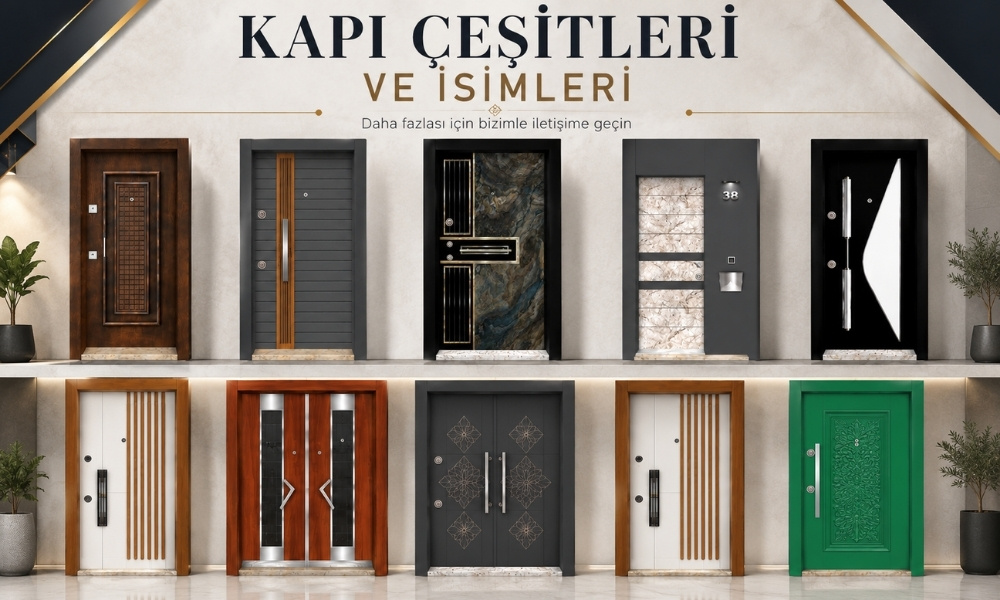
Doors can be grouped by function, material and appearance. Knowing how different materials perform helps you choose a practical design and compare costs. The same material can be used for several door styles.
How Many Types of Doors Are There?
The broadest categories are interior and exterior doors. These include the following types and applications.
Entrance Doors
Apartment building entrances are often large, so insulation is important. Garden gates are another type of exterior entrance. Wooden front doors remain a popular option. Choose dimensions, a standard or custom colour and a design suited to the building, from modern to traditional. Ask the supplier about tested performance and suitability for the location.
Steel Doors
Steel doors are used at flat entrances and shared building entrances. The structure and locking hardware can support security. Price varies by model, hardware and core materials.
Fire Doors
Fire doors are used in schools, offices, hotels, factories, apartment buildings, shopping centres, hospitals, cinemas, theatres, sports facilities and other busy venues. Specify a door assembly with performance suited to the project.
Sliding Doors
The leaf moves along a track without swinging into the room. Sliding doors can open onto patios or terraces and can also be used for wardrobes, storage rooms and pantries.
Glass Doors
Glass doors are common in shops, pharmacies, workplaces and hospitals. They let light through and can create visually open workspaces. Insulation depends on the glazing and frame.
Interior Doors
Room doors are commonly made from wood, moulded panels or PVC and are available in many colours.
Automatic Sensor Doors
These doors use sensors to open for approaching users and close automatically. They are common in shared or high traffic areas.
Wholesale Steel Doors
Wholesale steel doors describes buying multiple doors in one order. It refers to the purchase quantity and order scope.
Vinyl Patio Doors
Patio doors with vinyl frames bring daylight into the home and provide access to a deck or patio. Weather resistance and energy performance depend on the frame, glazing and installation.
Pivot Doors
Pivot doors rotate around a vertical axis using fittings at the top and bottom. Designs are available with or without stops. Check clearance on both sides of the pivot when planning the opening.
PVC Doors
PVC, or polyvinyl chloride, is a lightweight option for bathrooms and shower enclosures. Some designs imitate painted timber and can be easy to install and clean.
Double Action Swing Doors
Spring hinges allow the leaf to swing both ways and return to the closed position. Glazing or a suitable vision panel can help users see people approaching from the other side.
Louvered Steel Doors
Louvers allow airflow into warehouses, factory rooms and bicycle stores. These doors come in various colours and hardware configurations. Where the opening needs fire protection, specify an assembly with documented performance for that use.
Exterior Door Types
Exterior doors can also be grouped by material. Compare their properties for the intended location.
1. Wooden Doors
Timber is a traditional choice for exterior and interior doors. It can be shaped, stained or painted to match the architecture. Durability outdoors depends on the wood, finish and exposure.
2. Steel Doors
Sheet steel and other metals are used for interior and exterior doors. Steel can be an economical alternative to wood and offers durable designs with an understated or industrial appearance. Maintenance depends on the finish and exposure.
3. Fibreglass Doors
Fibreglass can offer low maintenance, insulation and resistance to dents. Painted or wood effect finishes make it suitable for different interior and exterior designs.
4. Aluminium Doors
Aluminium is lightweight and versatile. Its profiles suit modern designs in entrances, rooms and other spaces.
5. Glass Doors
Glazing can be set in wood, steel or aluminium frames to admit natural light. Frosted glass or curtains can provide privacy where needed.
6. Flush Doors
Flush doors have a smooth surface, often made with engineered board or plywood. They are a common economical choice for bathrooms, toilets and utility rooms.
Room Door Models
Common materials include wood, metal, composites and fibreglass, with glass, acrylic and MDF as other options. Reclaimed wood can suit rustic designs. Interior doors may have solid or hollow cores and smooth or panelled faces. They are often lighter than exterior doors because they are sheltered from the weather.
Monumental mosque doors range from traditional interlocking woodwork to modern constructions supported by steel.
Interior Room Doors by Material
1. Wooden Doors
Solid wood provides natural grain and warmth. It is a traditional interior door material for rooms where the texture and appearance of timber are important.
2. Metal Doors
Metal and steel can complement contemporary interiors. They resist rot and can offer dimensional stability. Fire resistance depends on the tested door assembly.
3. MDF Doors
Medium density fibreboard is an engineered wood product made of wood fibres. Its relatively low cost, smooth surface and ease of finishing make it common in interior doors. Moisture and heat performance depend on the board grade, finish and construction.
4. Glass Doors
Doors can be made entirely of glass or have individual glazing panels in wood or metal. Glazed panels can be decorative in homes, while fully glazed doors are common in shops and commercial buildings.
5. Fibreglass Doors
Fibreglass consists of glass fibres embedded in resin and can be moulded into different shapes. It is used in furniture, windows and interior and exterior doors. Strength, energy performance and appearance depend on the complete door design.
6. Moulded Particleboard Doors
Prolonged moisture can cause swelling, and damage can be hard to repair. Suitable protection and care can help preserve the appearance over time.
7. Composite Doors
Composite doors combine layers of different materials. Depending on the design, a timber core and insulation may sit behind a protective outer surface.
8. uPVC Doors
Unplasticised PVC is rigid because it contains no added plasticisers. uPVC doors usually require little surface finishing. Compare thickness, rigidity, durability and documented fire performance for the specific model.
Door Names
Manufacturers name models to organise collections. Names may come from gemstones such as emerald, diamond and ruby, local historical sites, or cities and capitals in export markets.
What Are the Main Door Categories?
Doors can be grouped by location, material, opening method, security features and design. Exterior doors typically prioritise weather resistance, insulation and security. Interior doors prioritise ease of use and a finish that suits the room.
- Location: Exterior, interior, villa, apartment entrance, building entrance, garden and commercial doors.
- Material: Steel, wood, aluminium, glass, PVC, MDF, composite and fibreglass.
- Opening method: Single or double leaf, sliding, pivot, folding, revolving, double action swing and automatic sensor doors.
- Security: Steel doors, fire doors, security doors and models with multipoint locking.
- Design: Modern, classic, rustic, laser patterned, embossed PVC, glazed, flush and two tone doors.
Consider the architecture, location, dimensions, security requirements and maintenance together.
What Should You Check When Choosing a Door?
Assess the location and frequency of use. For an exterior door, consider security, weather resistance and thermal and acoustic insulation. For an interior door, consider the finish, ease of use and interior design. Steel, timber, PVC, composites, glass and aluminium suit different applications.
- Security: Check the locking system, body, frame and steel sheet.
- Dimensions: Confirm the opening, frame, wall thickness and opening direction.
- Insulation: Consider seals and core materials that limit heat, noise, dust and draughts.
- Location: Choose a model for the building and intended use.
- Materials: Compare the leaf, frame, hinges, lock and fittings.
- Design: Match colour, finish and model to the building.
- Maintenance: Check cleaning requirements and surface durability.
- Installation: Correct installation affects the performance of the door.
Compare technical specifications, manufacturer experience, after sales support and fit alongside price.
How Do Door Types Differ?
The main differences are material, security, durability, insulation, maintenance and intended use.
- Steel: Sturdy construction and locking options for entrances.
- Wood: Natural appearance, with maintenance depending on the finish and location.
- PVC: Easy to clean and moisture resistant, with security varying by model.
- Aluminium: Lightweight, corrosion resistant and suitable for modern designs.
- Glass: Admits light and creates visual openness. Choose suitable safety glazing.
- Composite: Combines materials to achieve the required appearance and performance.
- Fire doors: Designed to limit the passage of fire and, where specified, smoke for a defined period.
- Pivot: A modern option for wide entrances.
- Sliding: Saves swing space in tight layouts.
Consider use, exposure and long term durability. At exterior entrances, pay particular attention to the frame, lock and finish.
Brango Steel Door Types
Brango manufactures in Kayseri and offers models for homes, villas, apartment entrances, commercial buildings and bulk projects. Choose standard or custom dimensions and one or two leaves to suit the opening.
- Luxury steel doors: Decorative finishes and premium detailing.
- Ultralam steel doors: Modern finishes and colour options for homes.
- Laser patterned steel doors: Distinctive lines in the surface.
- Embossed PVC steel doors: Raised patterns for decorative or traditional designs.
- Rustic steel doors: Warm finishes for traditional architecture.
- Two tone steel doors: Combine two colours or finishes.
- Sheet steel panel doors: Clean, durable surfaces for different projects.
- Anthracite, black, white and red steel doors: Colour options to suit the façade.
- Building entrance doors: Wide, durable models for frequent use.
- Villa entrance doors: Wide or custom designs with security options.
Evaluate dimensions, security, frame, leaf, hardware and finish for the project. Brango can discuss custom colours, sizes and designs. Browse steel door styles and steel door frame types for more information.